中国最先进发动机烧机油可能吗!用的油不对!支持国产动画光头强
http://club.autohome.com.cn/bbs/thread-c-528-29456094-1.html (感谢海绵宝宝的反馈 好人一个我一直以为只有我是个好人,没想到不止我一个)这是不烧机油的排气管看看干净不?反正帕萨特用了我推荐的一款机油不烧了。不烧机油基本不出任何故障。
有人说德系4S店给配5W30有道理可是那是行销黏度你们不懂---新车出厂就是要选配该黏度...油耗数字与测试参数看起来才会漂亮,不代表4S店提供的5W-30基友就是好的(这是蠢观念),等到汽缸磨损得差不多......不好意思,新引擎保质期也差不多到了, 运气好的用5W-30顶多烧机油,失油率高一点;运气差一点的缩缸,报废大修”。
奥迪大众大众发动机实际使用中不能用30机油那个实际是营销粘度!这个油日本美国车专用。这个油不能给德系用即使全合成真正的!有的人嘴硬跟我打过赌他是个老1.8t怕萨特10万公里一直用30的一款我说这个时间不长就要大修他都不信!过了几年车不行了几年有人说几年够本可!可是这几年只开了2万公里!所以他彻底服了!为什么呢呵呵!她的气门响!30气门响杂音大这就是最大毛病!一般人她就不知道!再说基础油就是多元醇脂类不怎么烧其于都烧再一个就是粘度40以上45.50都行--------------------------------------------------------------------------------
发动机气门是通过机油形成液压方式顶开或者利用机油飞溅方式来润滑的,其实气门异响故障基本属于机械故障,气门弹簧座磨蚀、气门脚间隙过大、气门调整螺丝松动、气门杆与导管磨损过多等等都可能是气门异响的诱因。原因是车辆行驶年久,疏于保养或者长期用油不当,日积月累造成-总这样发动机就碎了!-你一个奥迪总按着奥拓保养小样儿你还美羊羊的有你后悔的时候@有人说我有钱我爱咋咋地!呵呵我要说你有钱?有钱开奥迪?有钱的都开捷达去了呵呵! ----------------------不知道你发现没有很多德系尤其大众系列发动机哒哒响我告诉你都是不对机油造成的。
我个人反对用蠢观念去解读,哗众取宠,然后误导,去害所有的车友。只要黏度够了就行吗,不!还有基础油尽量是全合成,世面上写全合成的大多不是真正全合成,4S店里面连个全合成毛都找不到!市场上也不多,有不多,我还是认为德系车应该德国油保养,德国油大多数全合成但也不排除有加氢油的存在。有人说有认证就能用我告诉你?100多块钱一大桶的的也有认证,8100还烧,烧的烧一点。烟筒可以看出来不烧的特别干净比日本车还干净比三缸夏利还干净只要烧积碳就把燃烧系统糊住。请问一个三元多少钱?奥迪上的原装货得1万吧?那么问题的是你换不换?不换,另外积碳多你拆还是不拆?TFSI和TSI一旦拆开基本上没意思了。要彻底不烧起码排气管子要很干净。这个是摩特8100的排气管子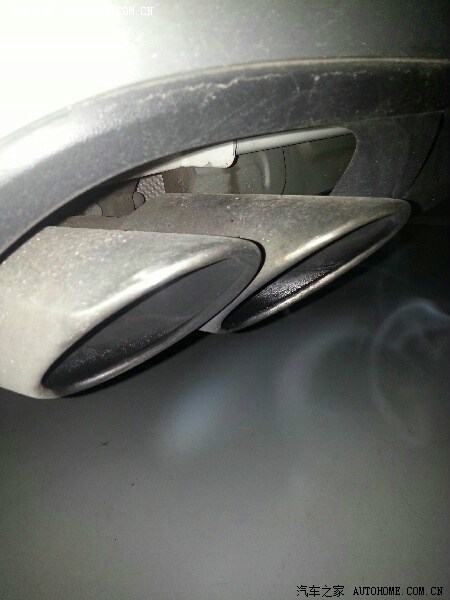 脏不脏?--------------------------------------------------------------------------------------------------------------------------------------------------------------------------------------------------------------------------------------------------------------------------下面这个是福斯GT1 5W40的排气管子
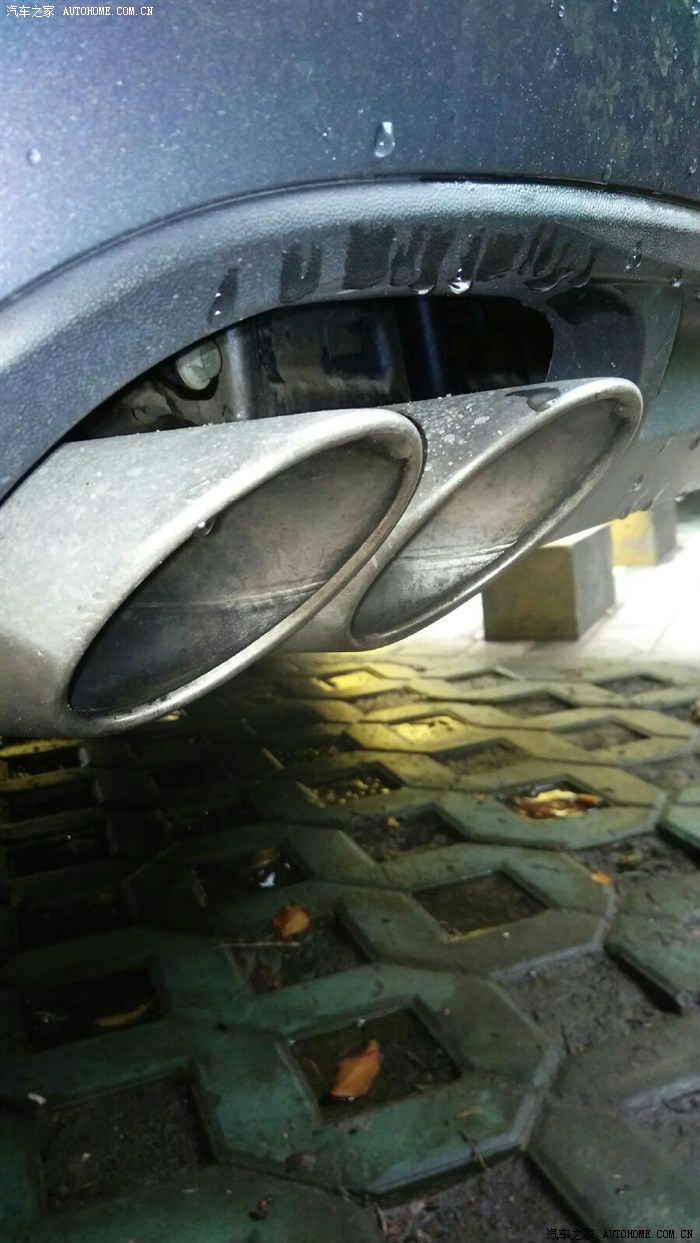 就凭这点下面这个车开50万公里没问题上面这个20多万就不行了
http://club.autohome.com.cn/bbs/thread-c-528-29456094-1.html
-are proud to be here interacting with you and helping you in any way we can on matters of lubrication. If it has moving parts it needs lubrication. Even when it doesn"t - it still needs it since corrosion protection is one of the main purposes of lubrication. Lubrication is a science - not voodoo. It is measured in microns, milligrams and infinitesimal units - not rabbit ears or dove tails. And it doesn"t accept tales - only facts. What your older brother knows about oil - is probably already outdated. The pace of change is fast - and we are here to assist you, to be of service to you. So, give us your questions and your opinions.We look forward to hear from all of you.---------------中国大陆和东南亚的大众奥迪宝马和一些高扭高温发动机需要高抗磨成分的机油。应对苛刻的用车环境。1 原厂给配被的是低抗磨成分。2 原厂给配备的不是真正意义全合成抗高温差容易裂解,容易稀释(本身德系发动机温度超高机油温度大多100度以上甚至某些宝马能达到130度,)机油从缸壁活塞窜出来,造成发动机故障。3 需要真正全合成PAO和多元醇酯类机油黏度南北方有差异(不同车也需要不同黏度,通常德系车越贵,扭力调教越大就越需要抗高温性能好的机油)例如高R,尚酷R,保时捷911Turbo S ,宝马M系,奥迪RS系,布加迪超跑奔驰AMG等需要多元醇酯类5W50热带或以上10W60.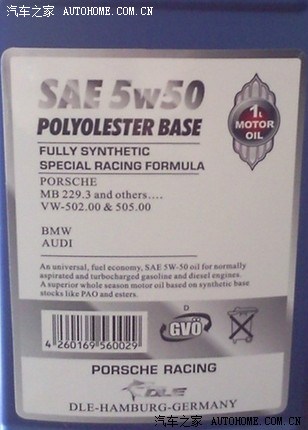 这是什么车
这是什么车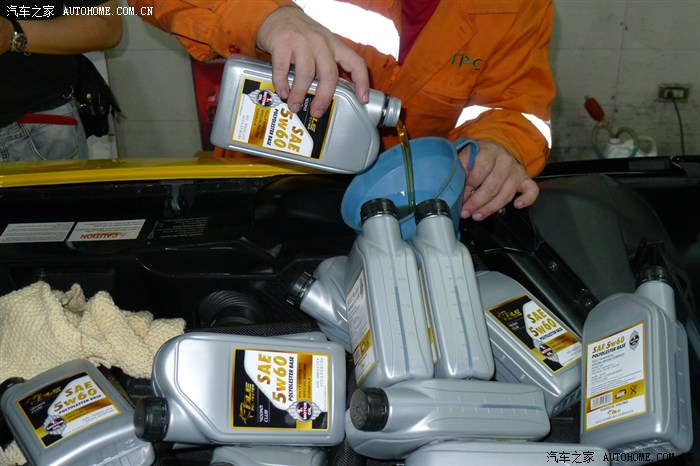 兰博基尼
兰博基尼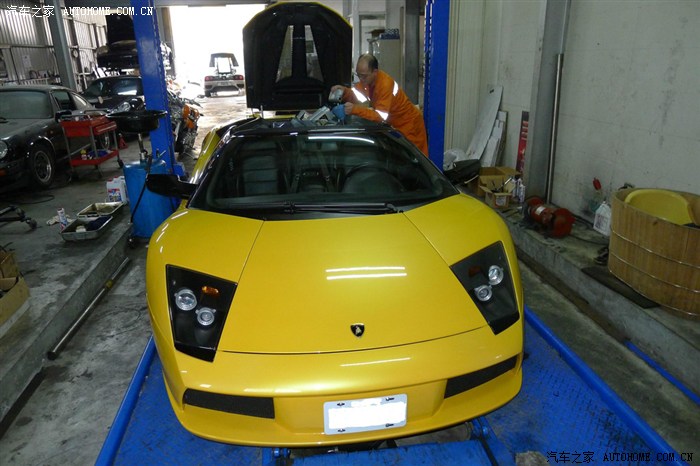
奥迪增压器车,你们30000公里洗过三元催化系统和中冷器吗?没洗过吧!几十块钱!德国的油品监测专家 Peter Weismann 认为世界上最好的机油在德国,在中国的质量低下发动机油是制约先进技术发展的绊脚石。结合中国国情路况配备专用润滑油才能使技术先进装配精密的德系发动机发挥更大作用。由于中国地域辽阔气候使用环境不尽相同变通,例如南北方气候温度差异,城市与乡村差异需要结合不同特点运用润滑油。否则发动机系统故障频发。看个文章最新发布的
国内一些车型的“零整比”系数令人咋舌。如一德系知名品牌车型,系数高达1273%。而另一德系知名品牌车型,系数也高达661.74%;除了豪华品牌,在中国保有量巨大的某日系品牌车,在零配件定价上下手更黑,旗下低端车型竟然高达720.28%,625.22%,503.80%;其余品牌中被调查车型“零整比”系数也超过400%,仅有少数几种低于300%。修车利润大啊!日系德系都有这种想法哈哈!坏了!好啊!此时不弄一笔更待何时。卖车不如修车钱赚得多。
--------不要高兴,我能让他不坏!烧机油?能不烧!--------------------------------------------------------------------------------------------------------------------------------------------------------------------------------------------------------------------------------------------------------------------------------
VW 502.00------注 VW 502 is specified for Passat
Oil for gasoline engines. Successor of VW 501.01 and VW 500.00 specification. Recommended for those which are subject to arduous conditions. It must not be used for any engines with variable service intervals or any which are referred to under other specifications.汽油发动机标准推荐给艰苦条件低下的地区使用(例如高温,潮湿,走走停停路况)他说单一的没有被任何标准涵盖。有人说VW50400标准涵盖VW50200纯粹!放,屁!人家写了!VW50400是条件好的区域使用的例如欧洲北欧加拿大等等能用!中国就是高温潮湿走走停停正好对哦(
散熱系統在"移動"撞風才发挥作用
)!不过有的机油是瞎写,实际没达到呵呵!在中国达不到也正常,太正常了。所以你就烧机油去吧!积碳滋生去吧!坏吧!
----------------------------------------------------------------------------------------------------------------------------------------------------------------------------------------------------专用润滑油非汽车制造厂生产
有关人员走访调查了汽车行业内专业人士及高层管理专家,了解掌握了润滑油行业的一些内幕与潜规则情况。
调查发现,目前汽车厂家本身并不生产机油,国内汽车公司的机油,多数通过从中石化、中海油、中石油等大公司购进大罐装的机油,然后进行包装,或者委托中石化、中海油、中石油等生产,打上自己汽车公司的名称,成为自己汽车品牌的专用机油。
工作人员说,这些所谓“专用机油”准确地说实为石化企业的润滑油生产厂家受汽车制造商“委托加工、分装”而成。甚至有的汽车生产厂商、汽车部4S店委托一些小工厂生产加工,这部分机油的质量很难保证。--------------------------------注意这点国内汽车公司的机油,多数通过从中石化、中海油、中石油等大公司购进大罐装的机油,然后进行包装,或者委托中石化、中海油、中石油等生产,打上自己汽车公司的名称。你们想想花几百块买个中石油中石化的油!咱先不说是不是全合成,即使加氢油,国内高硫原油造出来好的了?
The German automotive industry is clearly a world leader in terms of quality, innovation, dependability and technological advances and it"s not surprising that,一般我给大众奥迪保时捷大扭力发动机推荐的是成分为ESTER & PAO 机油我是不给大众EA888推荐加氢油的当然EA111,211可以用,Audi is part of the VAG group (Volkswagen, Audi, Seat, and Skoda) therefore they run on the same group of oil specifications. VW oil specifications are now used for Audi, Skoda, Seat and Volkswagen cars.奥迪Q5说明书上我记得有写着用5W40的机油,跟大众EA888一样的发动机啊,可是奥迪4S店给换5W30即使用5W40用错品牌用日系标准机油他也烧!解决机油带来的问题很简单用欧洲标准机油,不要用日本标准,中国深受日本影响。走错了!
 这个是一个德国机油厂(德意志燃料公司)给大众发动机的点评看一下
德国大众品牌的轿车发动机存在输出功率高、转速快、装配精密的特点,普通调合的润滑油产品很难满足发动机的润滑需求,会出现烧机油,噪音增大、动力下降等现象。尤其是配备了涡轮增压装置的发动机,上述症状更加明显。
Using conventional motor oil that does not meet Vw motor oil quality standards is very risky. Using the wrong motor oils will likely damage internal engine components, reduce fuel mileage, increase emissions, and can void applicable vehicle warranties. Consequently, it"s imperative to use Vw motor oil that states that it has been approved or meets your corresponding Vw motor oil quality standards.使用传统标准质量低下机油是非常危险的,因为传统润滑油很难与大众发动机匹配,导致润滑油消耗过大,导致损坏发动机内部部件,降低燃油里程数,增加排放量,导致车辆报废。因此使需要用合格润滑油。(究竟什么样的机油适合大众发动机下面有)
Volkswagen 新一代的引擎,不论是汽油或是柴油,多为高马力低污染引擎,由于对热的负荷较高,因此强烈建议您一定要特别注意机油的品质,及更换的时间,以保障您行车的安全。----------------------------------------
好车豪车几百万上千万故障频频,烧机油机油抗高温不足,机油从活塞缸壁窜出来,成为积碳。机件还得不到保护,因为此时油膜已破,机油作用(机油作用就是润滑和密封)长期就会有奥迪不如奥拓夏利的情况发生
XXX机油TBN(总碱值)特性曲线性能优异,能够中和燃料中含硫所形成的酸性成分
添加剂比例高
润滑作用
燃烧充分
清洗功能
抗磨保护
防腐蚀、防点腐蚀
采用欧洲标准的金属清净剂,虽然成本高于国内所采用的灰粉,但抗硫性能远好于国内所用灰粉。
高润滑原厂机油
建议中国大陆使用符合VW 502 00 汽油引擎机油标准
黏度指数: SAE 5W-40
零件料号:GVW 052 195 M2零件料号: G 052 183 M2零件料号:G 052 167 M2
大众集团资料
cSt 40度(mm2/s) ---表示机油在引擎启动时的保护性(低温启动流动性能),理论上数值越低越好。
cSt 100度(mm2/s)---表示机油在引擎高溫运转时的保护性,理论上数值越高越好。
VI值---表示机油对引擎运转时的保护范围,理论上数值越大能保护的范围越宽,相同黏度系数下数值高较好。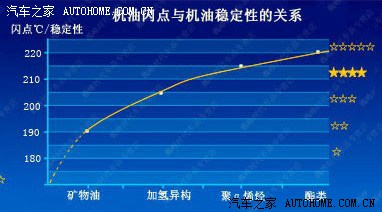
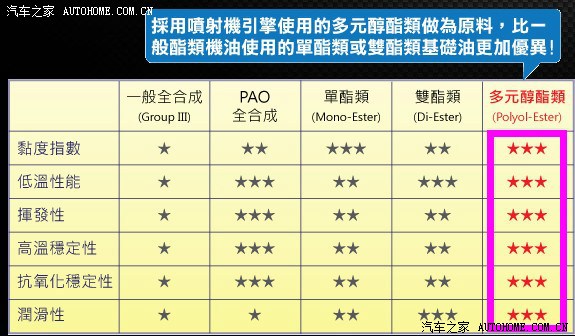 注-我发现国内有最好油品全合成油品(在亚洲属于比较先进),但肯定做不起来,即使有投资。因为是国有企业!注定做不起来。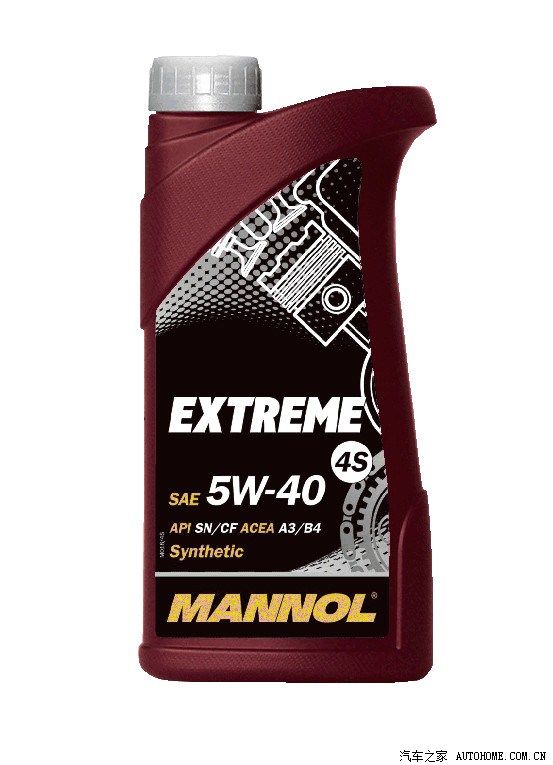
德国SCT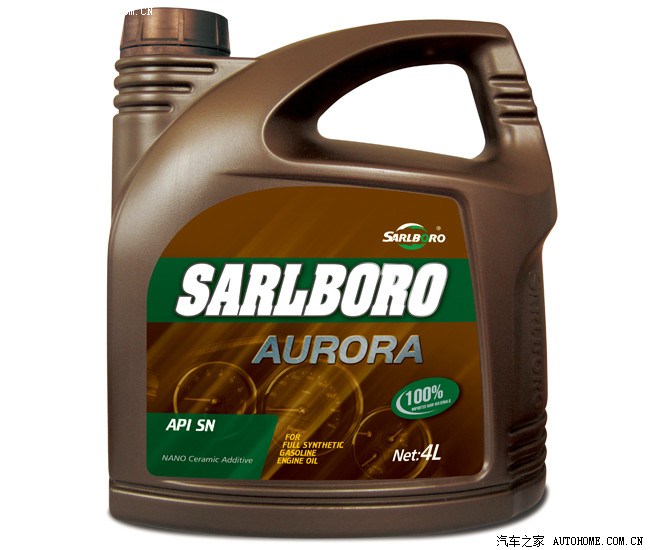
德国圣保路sarlboro AURORA 5W40奔驰特许油(中国的是天津灌装)
 德国爱德龙(德国龙)机油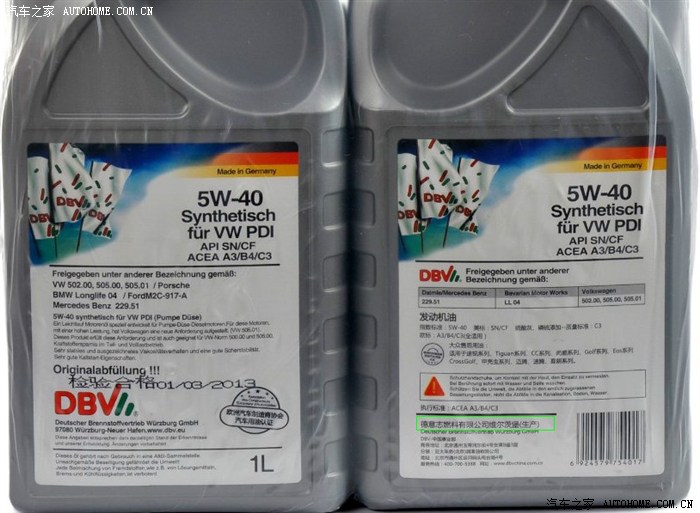
(此油德意志燃料公司出品带着德国国旗,还有带着大众VW标的机油大众德国专用某逊有卖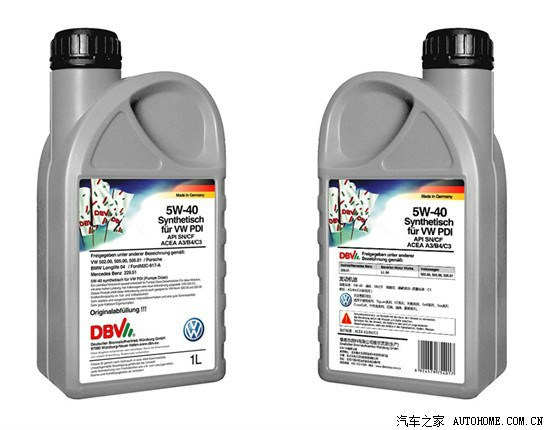
挺牛X的油德国大众本土服务油)
德国 制造 - Made in Germany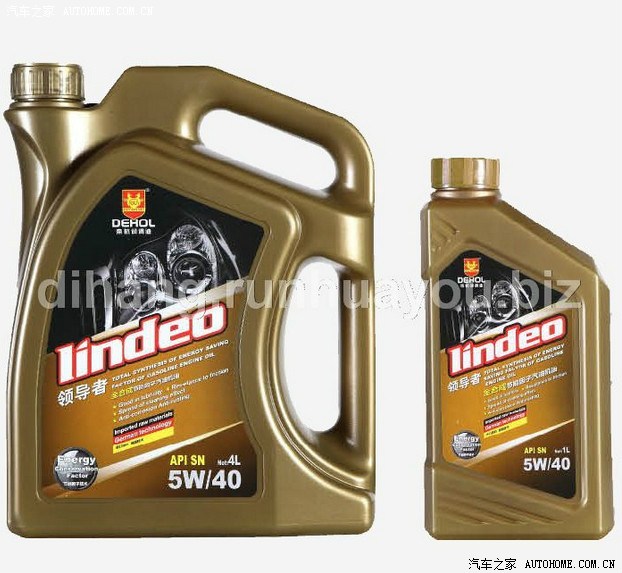 德国古驰
德国古驰
聚α烯烃全合成油
不赖不赖
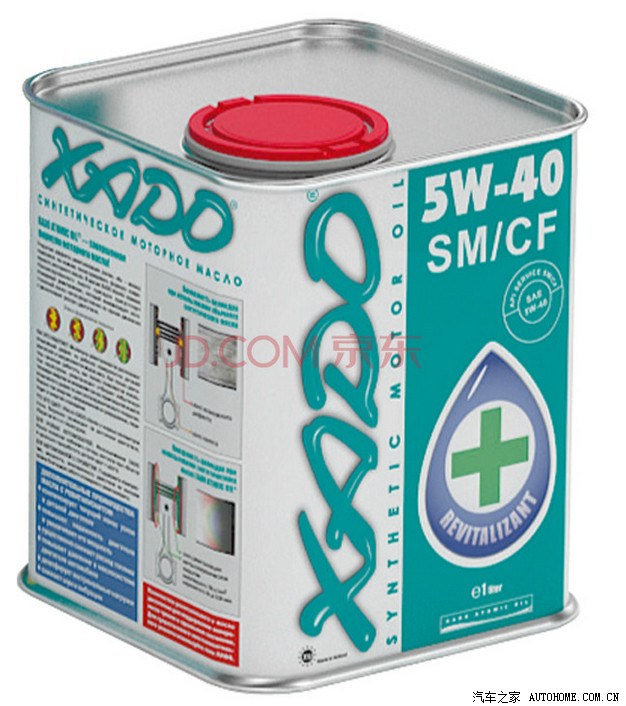 乌克兰哈多集团产品(奥迪帕萨特迈腾EA888慎用有可能烧机油)
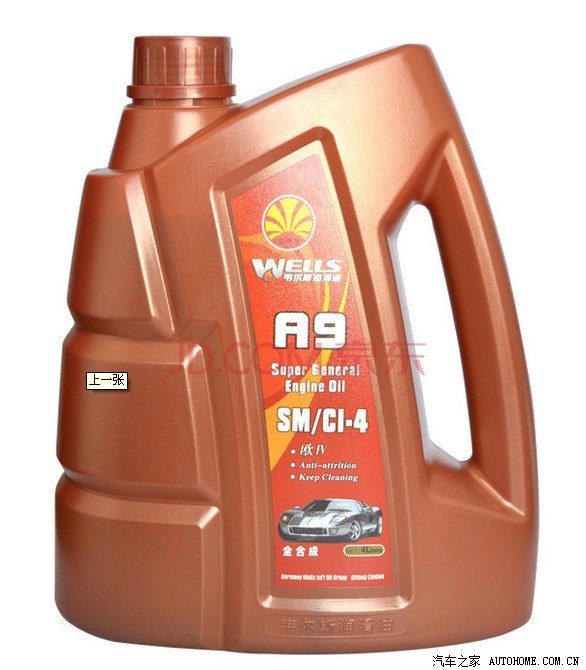
德国韦尔斯产品奔驰特许油(国产的是天津灌装)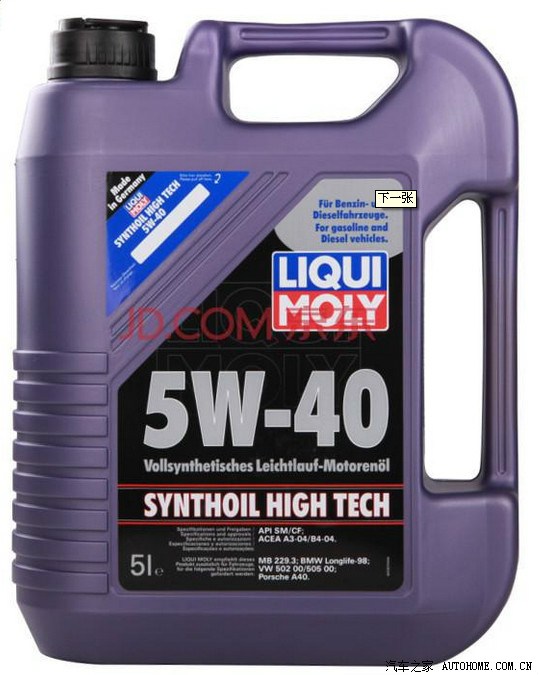
德国力魔高科技全合成(奥迪帕萨特迈腾EA888慎用有可能烧机油,但5W40全系不管加氢油还是PAO全合成基本全部奔驰允许加注)-----------------------------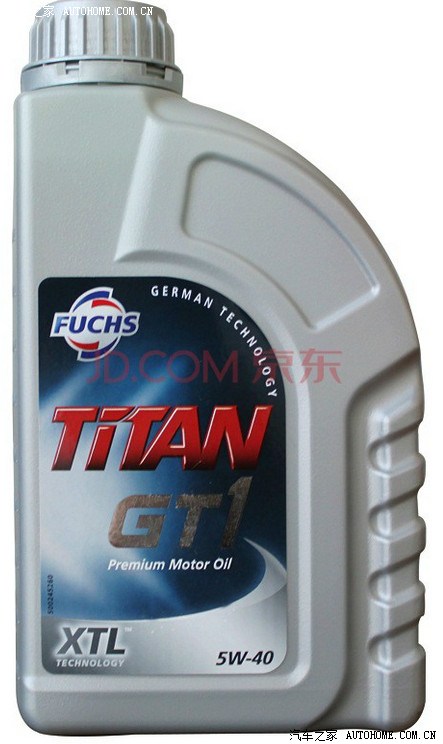
德国福斯GT1 多元醇酯类全合成(奥迪帕萨特迈腾高尔夫R,GT1,宝马,奔驰,保时捷用最好)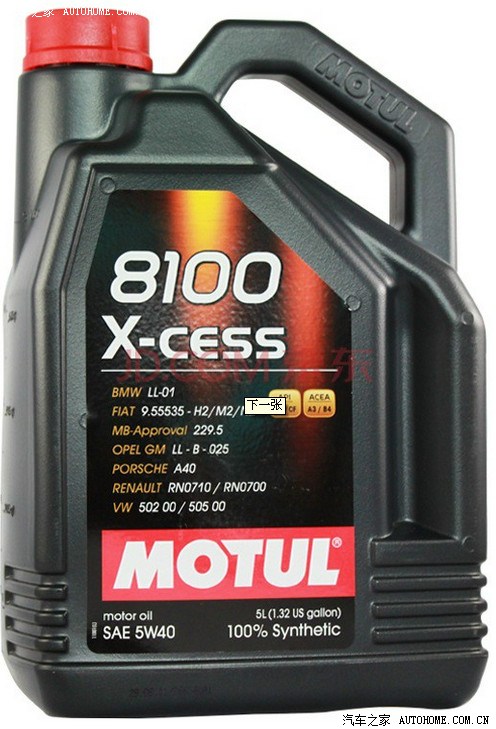
法国摩特8100机油(奥迪帕萨特迈腾EA888慎用有可能烧)机油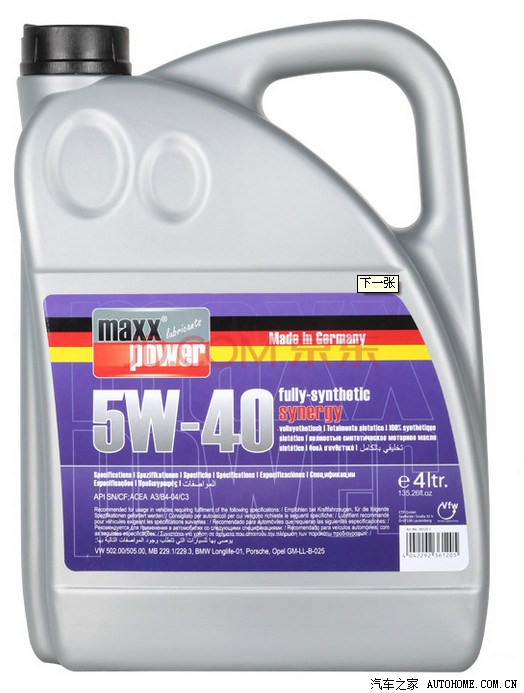 德国马驰宝机油
德国CTP GmbH公司旗下汽车润滑油品牌
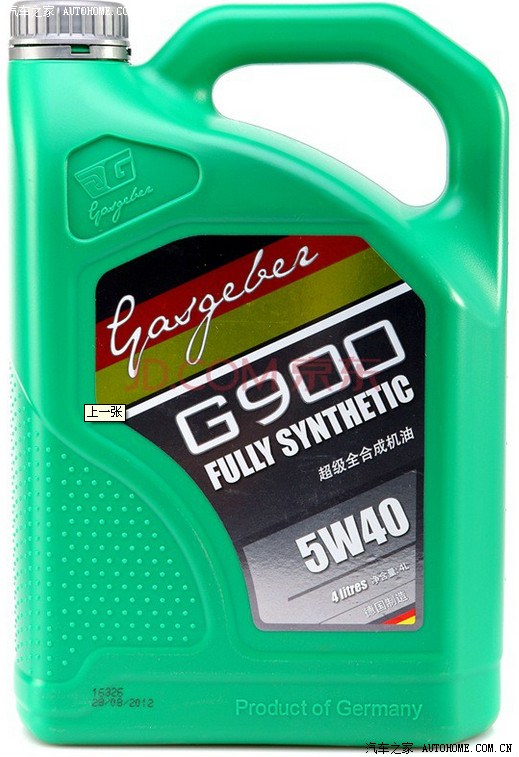 德国格德宝(Gasgeber) G900 5W40
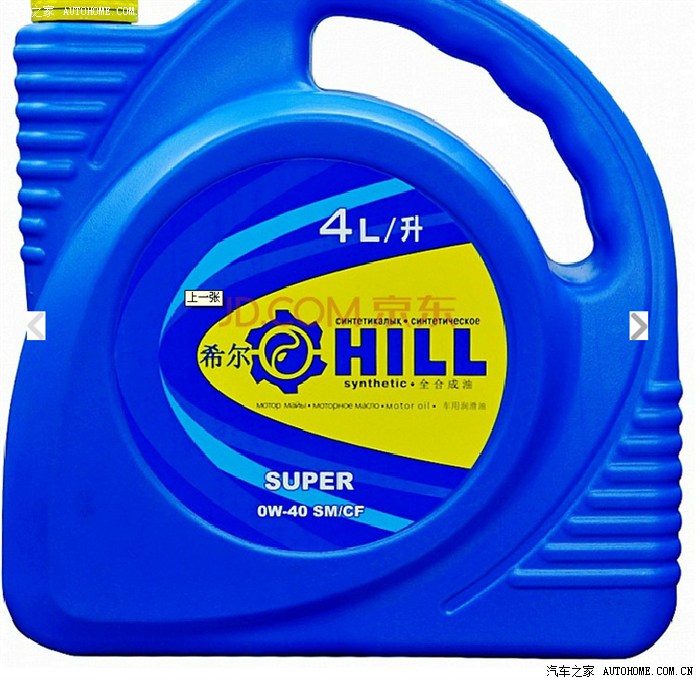
哈萨克斯坦希尔润滑油(奥迪帕萨特迈腾EA888慎用有可能烧机油)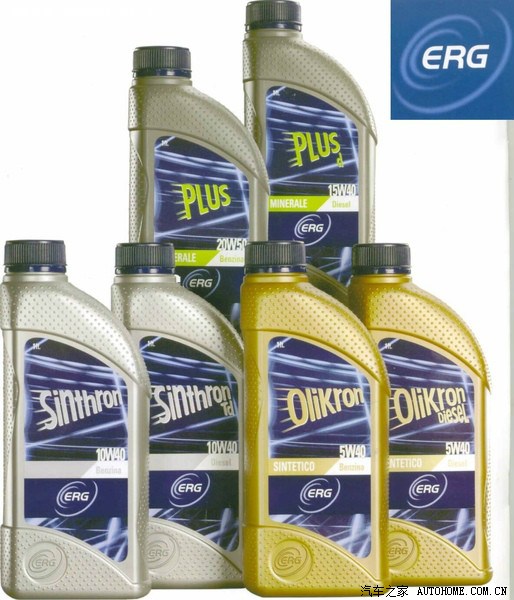 意大利ERG
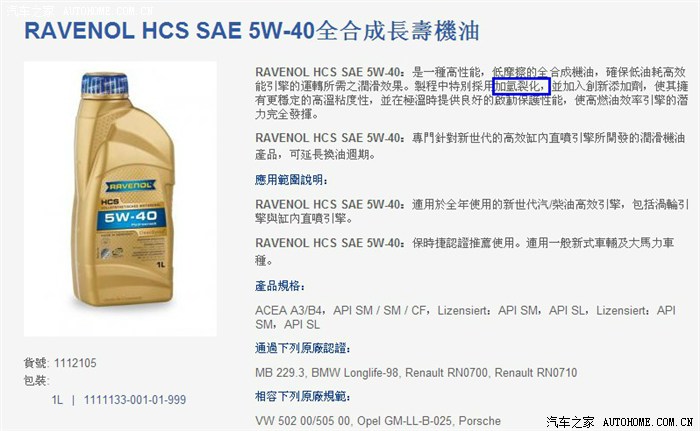 虽然德国品牌机油但此油加氢油和嘉实多壳牌一样,大众涡轮增压器发动机慎用有可能烧机油。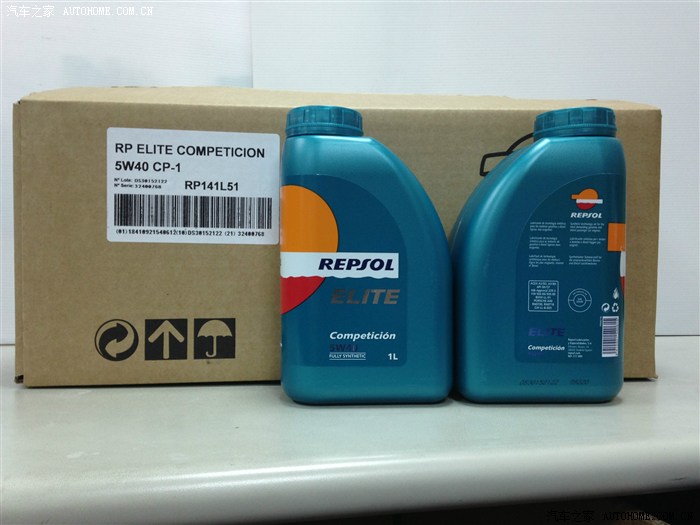
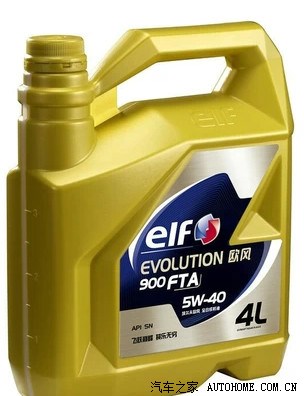 埃尔夫欧风(法国道达尔旗下,埃尔夫也就是给丰田代工纯牌机油的那个,涡轮增压器EA888用可能烧机油慎用)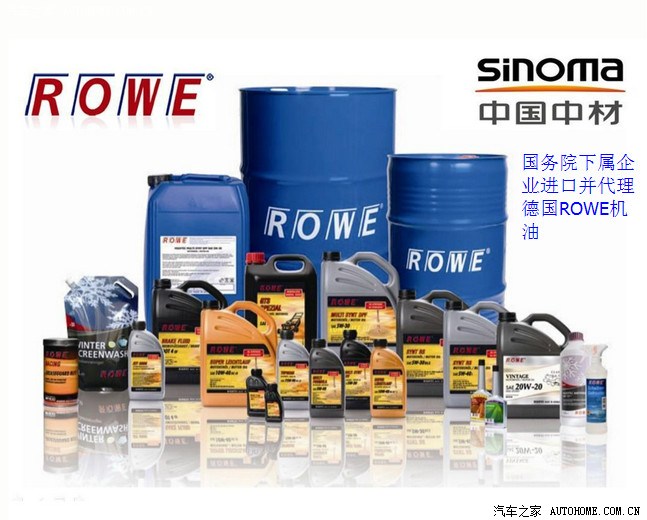
ROWE(诺为)石油公司不出名因为年轻时间短,主要专业从事奔驰、宝马、大众等知名汽车制造商原厂贴牌专用油业务。国务院国资委中材国际引进。
见过自己说自己不是全合成的吗?这个机油厂就值得信赖!是就是不是我就不是!我是伪全合成!人家就自己这么写!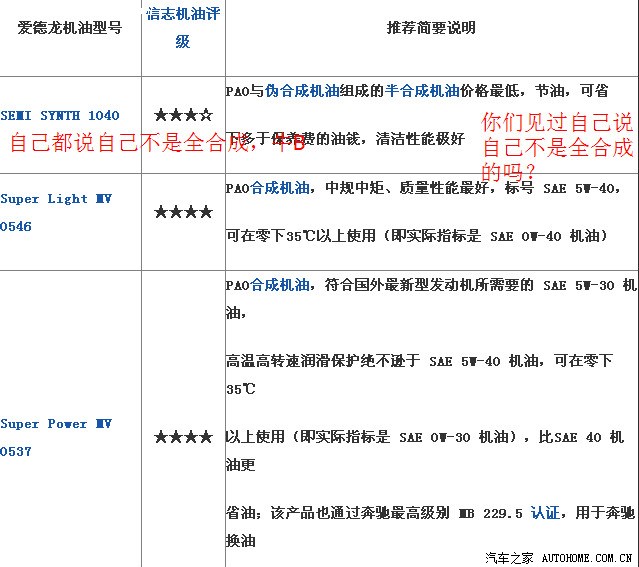
上面是贵的机油下面我给1.4,1.6自然吸气和不愿意多花钱的1.4TSI车主(单涡轮大众发动机)的大众奥迪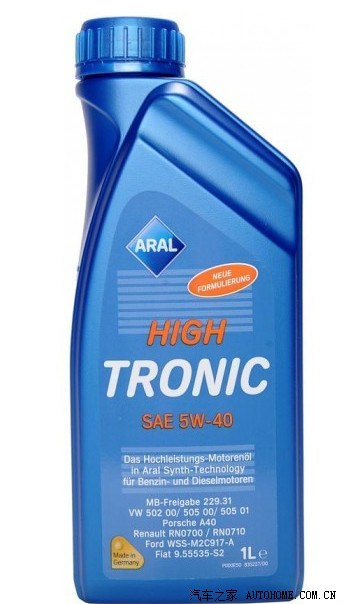 德国亚拉5W40
发动机推荐点便宜的机油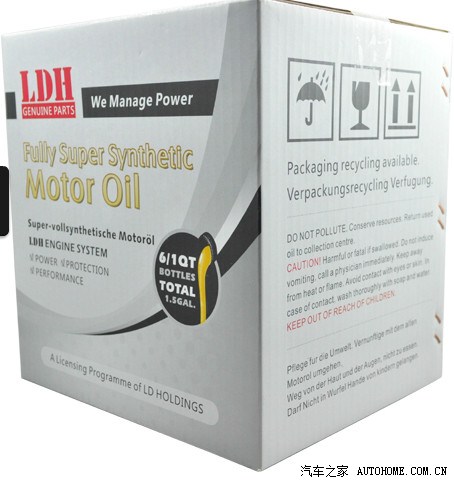 德国LDH机油
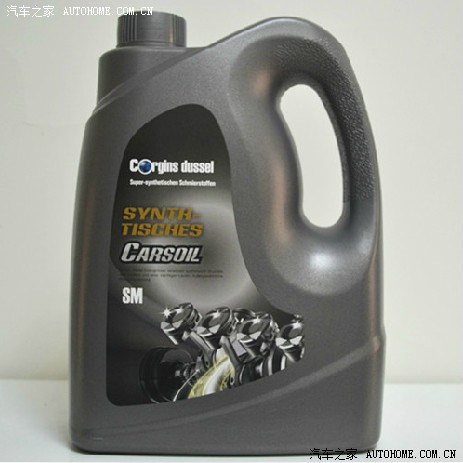 德国科宁
德国科宁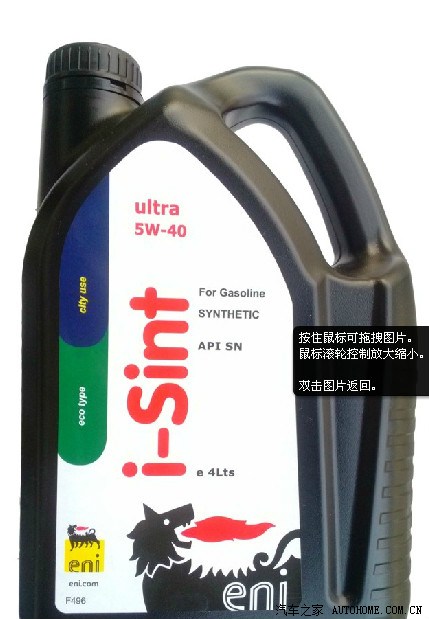 意大利喷火狗5W40--意大利国家碳化氢集团产品
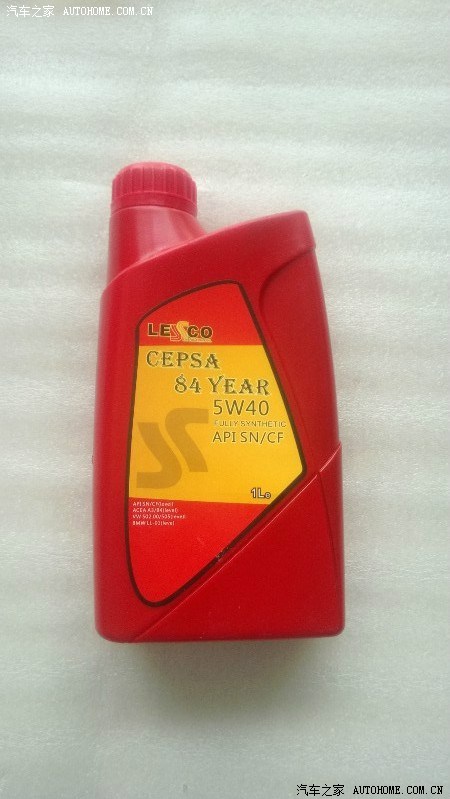 CEPSA 5W40西班牙国家石油公司品牌(国内有上汽集团进口的,也有直接进口,还有国产嘉实多代分装的要进口的)
此油大众自然吸气发动机例如桑塔纳,捷达,宝来,速腾,可以1万公里换油。合成SN级(ea888和其他高扭高温发动机用可能烧机油)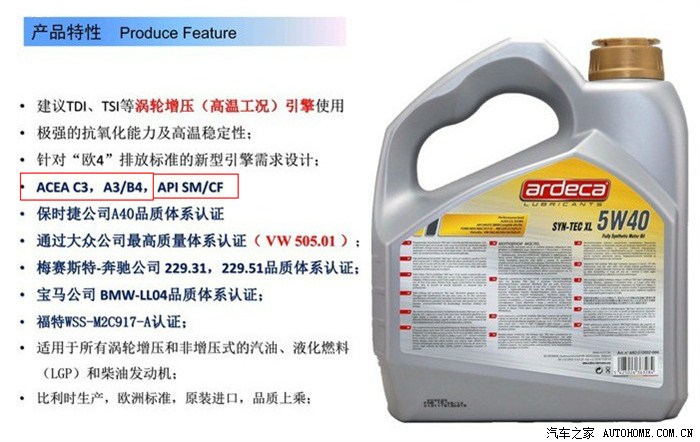 比利时安德科
具体505 01-502 00-505 00 大众汽车汽油和柴油发动机润滑油使用专为汽车供电配备TDI涡轮增压柴油引擎,遵循固定的换油周期 认证性能VW 505 01 502 00 505 00大众正式批文 根据大众汽车的建议 特性粘度等级密度在20°C(68°F)粘度在100℃(212°F)粘度在40℃(104°F)粘度指数倾点闪点TBN SAE J 300 ASTM D1298 ASTM D445 ASTM D445 ASTM D2270 ASTM D97 ASTM D92 ASTM e2896 5W-40 0.84813.9毫米/秒84.9毫米/秒167 -36℃/ -33 F 215 C / 419 F 7.4毫克KOH /克 电影里经常出现一句日本鬼子的话--你滴做到了麽、没做到滴!死,啦,死,啦,滴!
Old petroleum-based motor oils are a thing of the past. Vw engine designs are too technologically advanced. All modern Vw engines are designed, engineered, and manufactured to exact tolerances using unique materials (alloys) to meet target performance requirements. Newer models also use advanced fuel injection systems that are lubricated using specific motor oil formulations to ensure optimal system reliability. These advanced engine and fuel injection systems must meet stringent emission requirements focusing on improving fuel economy without compromising engine performance. Therefore, exact Vw motor oil specifications were designed, are required, and should be used.大众发动机很先进,制造的公差很精确,独特的合金材料。燃油喷射系统也较为先进,用合格燃油和润滑油符合德国规格相当必要。
真正的德国大众机油里们连见过也没见过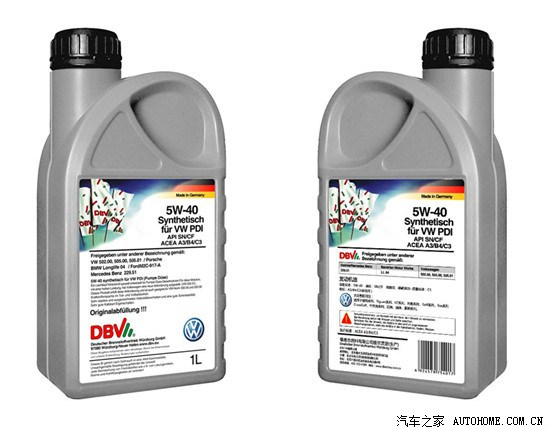 见过吗?????德意志燃料有限公司出的!!!!!!!!!福斯GT1是大众原厂装车油!知道吗???!!!!!!!!!
大众汽车(Volkswagen)机油长期配套厂商ROWE(诺为)润滑油你听说过吗?看看中国配套那些都是啥玩意!中国石油,中国石化这样的就应该清除出去!浪费资源!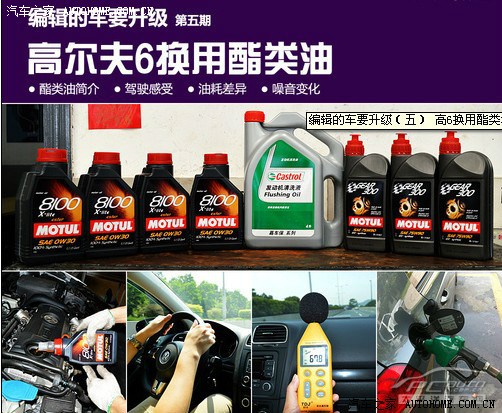 一汽大众维修保养手册上写着 技术先进的发动机 必须要求使用一汽大众G17你用了吗?几十块钱都舍不得!好几千公里多花几十块一包烟的价格!而已舍不得麽!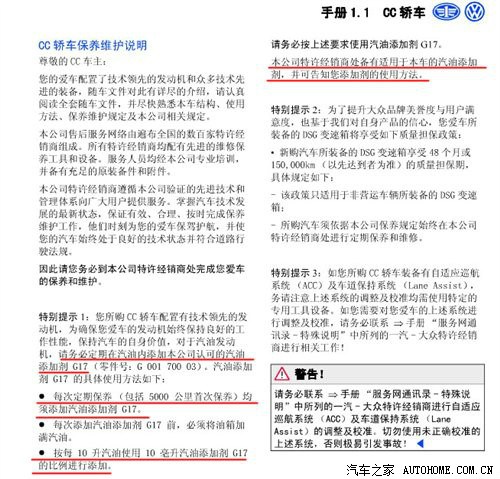
河南安阳、湖南岳阳中石化加油站发生的汽车加油“趴窝”事件中罪魁祸首就是这种来路不明的调和汽油。
记者观察,这个QQ群每天有几十条类似信息发布。这个群连接着一个神秘的调油圈子,外人很难介入。与这个圈子接触密切的刘老板说:“圈内每年都会开几次调油大会,专门教你调油,就是造假。把不合格的油调的合格,不好看的调好看了,比如硫化物高,可以调低,检验不出来,就合格了。”
刘老板告诉记者,这个圈子很小。“济南就十几家,东营、滨州多,也不过几十家。”但这个圈子能量很大,表面看,很多社会加油站都和这个圈子有关,其油源很多来自这个圈子,暗地里“两桶油”(中石油和中石化)也与之有千丝万缕的联系,去年中石化“两阳”事件——河南安阳、湖南岳阳中石化加油站发生的汽车加油“趴窝”事件中罪魁祸首就是这种来路不明的调和汽油。刘老板透露,“两阳事件”中石化前后花了两个亿才收场。但此说法未获中石化证实。
那么什么是调和汽油?简单地讲就是拿石脑油加上各种添加剂,像抗爆剂、二茂铁、MPTE调和出来的油,只要达到理化指标就是合格的调和汽油。刘老板介绍,要想多挣钱,就得拿石脑油来调汽油。
刘老板介绍,石脑油最大特点是辛烷值不够,只能达到56-60,汽油则最少90号,那就要调高30个点,因为一个添加物不可能把所有指标都提起来,一般一种物质只能提高3-5个点,所以要添加各种化工原料。然而有些是有毒有害的,比如甲醇,其辛烷值高,被列为首选,但也不能过量。如果不达标再加MPTE,不够再加金属添加剂,锰、铁,还不行再加有机添加剂——苯,这样经过多种成分添加一般就能提到90多号,对外就当93号的汽油卖了。据悉,很少能提高到97号的,如果调97号汽油,通常得拿93号汽油加MPTE来调和。
据介绍,混合芳烃深度加氢就是汽油,但如果没有深度,杂质都残留在里面。小加油站,随调随卖,几天就卖出去了。油罐一般都在地下,透气性差,几天卖出去,一般看不出来。
刘老板说:“之所以他们冒险用混合芳烃,还是图便宜,现在7000多一吨,和汽油有1500多元的差价。”
4月29日,记者以买家身份咨询山东菏泽一家石化企业,石脑油的无票报价为每吨6500元,而据4月28日中宇资讯监测国内26个主要城市国四93号汽油中石油、中石化批发均价为每吨9133元。两者相差2000元以上。
4月25日,山东炼油化工协会会长刘爱英对21世纪经济报道记者表示,汽柴油从广义上应该都算调和油,但对于以石脑油为主调制的调和汽油她表示并不愿多谈。
我要告诉你们奥迪帕萨特迈腾用,福斯GT1,锐先,多元醇酯类等等品牌的机油的5W40不烧机油。为什么不烧,一直让我百思不得其解,后来从一个美国专家写的文献里看到了,原来多元醇是抗高温性能配合大众奥迪宝马甚至整个德系,或整个=高扭高温发动机不烧机油的主要润滑剂。看一下---------------明确一点就是-------多元醇酯非常适合在较高温度的应用-------------看看美国专家的论述
Esters In Synthetic Lubricants
By T. G. Schaefer (Tom NJ)
Ester Chemistry
Volatility: The polarity of the ester molecules causes them to be attracted to one another and this intermolecular attraction requires more energy (heat) for the esters to transfer from a liquid to a gaseous state. Therefore, at a given molecular weight or viscosity, the esters will exhibit a lower vapor pressure which translates into a higher flash point and a lower rate of evaporation for the lubricant. Generally speaking, the more ester linkages in a specific ester, the higher its flash point and the lower its volatility.
Lubricity: Polarity also causes the ester molecules to be attracted to positively charged metal surfaces. As a result, the molecules tend to line up on the metal surface creating a film which requires additional energy (load) to wipe them off. The result is a stronger film which translates into higher lubricity and lower energy consumption in lubricant applications.
Detergency/Dispersency: The polar nature of esters also makes them good solvents and dispersants. This allows the esters to solubilize or disperse oil degradation by-products which might otherwise be deposited as varnish or sludge, and translates into cleaner operation and improved additive solubility in the final lubricant.
Biodegradability: While stable against oxidative and thermal breakdown, the ester linkage provides a vulnerable site for microbes to begin their work of biodegrading the ester molecule. This translates into very high biodegradability rates for ester lubricants and allows more environmentally friendly products to be formulated.
Another important difference between esters and PAOs is the incredible versatility in the design of ester molecules due to the high number of commercially available acids and alcohols from which to choose. For example, if one is seeking a 6 cSt synthetic basestock, the choices available with PAOs are a straight cut 6 cSt or a “dumbbell” blend of a lighter and heavier PAO. In either case, the properties of the resulting basestock are essentially the same. With esters, literally dozens of 6 cSt products can be designed each with a different chemical structure selected for the specific desired property. This allows the “ester engineer” to custom design the structure of the ester molecules to an optimized set of properties determined by the end customer or application. The performance properties that can be varied in ester design include viscosity, viscosity index, volatility, high temperature coking tendencies, biodegradability, lubricity, hydrolytic stability, additive solubility, and seal compatibility.
As with any product, there are also downsides to esters. The most common concern when formulating with ester basestocks is compatibility with the elastomer material used in the seals. All esters will tend to swell and soften most elastomer seals however, the degree to which they do so can be controlled through proper selection. When seal swell is desirable, such as in balancing the seal shrinkage and hardening characteristics of PAOs, more polar esters should be used such as those with lower molecular weight and/or higher number of ester linkages. When used as the exclusive basestock, the ester should be designed for compatibility with seals or the seals should be changed to those types which are more compatible with esters.
Another potential disadvantage with esters is their ability to react with water or hydrolyze under certain conditions. Generally this hydrolysis reaction requires the presence of water and heat with a relatively strong acid or baseXSS to catalyze the reaction. Since esters are usually used in very high temperature applications, high amounts of water are usually not present and hydrolysis is rarely a problem in actual use. Where the application environment may lead to hydrolysis, the ester structure can be altered to greatly improve its hydrolytic stability and additives can be selected to minimize any effects.
The following is a discussion of the structures and features of the more common ester families used in synthetic lubrication.
Diesters
Diesters were the original ester structures introduced to synthetic lubricants during the second World War. These products are made by reacting monohydric alcohols with dibasic acids creating a molecule which may be linear, branched, or aromatic and with two ester groups. Diesters which are often abbreviated DBE (dibasic acid esters) are named after the type of dibasic acid used and are often abbreviated with letters. For example, a diester made by reacting isodecyl alcohol with adipic acid would be known as an “adipate” type diester and would be abbreviated “DIDA” (Diisodecyl Adipate).
Listed below are the more common families of diesters used in synthetic lubricants, and the alcohols most commonly employed.
Adipates are the most widely used diesters due to their low relative cost and good balance of properties. They generally range from about 2.3 to 5.3 cSt at 100°C and exhibit pour points below -60°C. The viscosity indices of adipates usually run from about 130 to 150 and their oxidative stability, like most of the diesters, are comparable to PAOs. The primary difference between adipate diesters and PAOs is the presence of two ester linkages and the associated polarity benefits outlined previously. The most common use of adipate diesters is in combination with PAOs in numerous applications such as screw compressor oils, gear and transmission oils, automotive crankcase oils, and hydraulic fluids. Adipates are also used as the sole basestock where biodegradability is desired or high temperature cleanliness is critical such as in textile lubricants and oven chain oils.
Azelates, Sebacates, and Dodecanedioates are similar to adipates except that in each case the carbon chain length (backbone) of the dibasic acid is longer. This “backbone stretching” significantly increases viscosity index and improves the lubricity characteristics of the ester while retaining all the desirable properties of the adipates. The only downside to these types of diesters is price which tends to run about 50 – 100+% higher than adipates at the wholesale level. This group of linear DBEs are mainly used in older military specifications and where the lubricity factor becomes an important parameter.
Phthalates are aromatic diesters and this ring structure greatly reduces the viscosity index (usually well below 100) and eliminates most of the biodegradability benefit. In all other respects, phthalates behave similar to other diesters and are about 20 – 30% lower in cost. Phthalates are used extensively in air compressor lubricants (especially the reciprocating type) where low viscosity index is the norm and low cost clean operation is desirable.
Dimerates are made by combining two oleic acids which creates a large branched dibasic acid from which interesting diesters are made. Dimerates exhibit high viscosity and high viscosity indices while retaining excellent low temperature flow. Compared to adipates, dimerates are higher in price (30 – 40%), have marginal biodegradability, and are not as clean in high temperature operations. Their lubricity is good and they are often used in synthetic gear oils and 2-cycle oils.
The alcohols used to make diesters will also affect the properties of the finished esters and thus are important factors in the design process. For example, three of the common alcohols used to make diesters each contain eight carbons, and when reacted with adipic acid, all create a dioctyl adipate. However, the properties are entirely different. The n-octyl adipate would have the highest viscosity and the highest viscosity index (about 50% higher then the 2-ethylhexyladipate) but would exhibit a relatively high freeze point making their use in low temperature applications virtually impossible. By branching the octyl alcohol, the other two DOAs exhibit no freeze point tendencies and have pour points well below -60°C. The isooctyl adipate offers the best balance of properties combining a high viscosity index with a wide temperature range. The 2-ethylhexyl adipate has a VI about 45 units lower and a somewhat higher volatility. These examples demonstrate the importance of combining the right alcohols with the right acids when designing diester structures and allows the ester engineer a great deal of flexibility in his work. In addition, the alcohols may be reacted alone or blended with other alcohols to formXSS coesters with their own unique properties.
Polyol Esters
In general, polyol esters represent the highest performance level available for high temperature applications at a reasonable price.
The term “polyol esters” is short for neopentyl polyol esters which are made by reacting monobasic acids with polyhedric alcohols having a neopentyl structure. The unique feature of the structure of polyol ester molecules is the fact that there are no hydrogens on the beta-carbon. Since this “beta-hydrogen” is the first site of thermal attack on diesters, eliminating this site substantially elevates the thermal stability of polyol esters and allows them to be used at much higher temperatures. In addition, polyol esters usually have more ester groups than the diesters and this added polarity further reduces volatility and enhances the lubricity characteristics while retaining all the other desirable properties inherent with diesters. This makes polyol esters ideally suited for the higher temperature applications where the performance of diesters and PAOs begin to fade.
Like diesters, many different acids and alcohols are available for manufacturing polyol esters and indeed an even greater number of permutations are possible due to the multiple ester linkages. Unlike diesters, polyol esters (POEs) are named after the alcohol instead of the acid and the acids are often represented by their carbon chain length. For example, a polyol ester made by reacting a mixture of nC8 and nC10 fatty acids with trimethylolpropane alcohol would be referred to as a “TMP” ester and represented as TMP C8C10. The following is a list of the more common types of polyol esters:
Neopentyl Glycols (NPGs) – 2 Hydroxyls
Trimethylolpropanes (TMPs) – 3 Hydroxyls
Pentaerythritols (PEs) – 4 Hydroxyls
DiPentaerythritols (DiPEs) – 6 Hydroxyls
Each of the alcohols shown above have no beta-hydrogens and differ primarily in the number of hydroxyl groups they contain for reaction with the fatty acids. The difference in ester properties as they relate to the alcohols are primarily those related to molecular weight such as viscosity, pour point, flash point, and volatility. The versatility in designing these fluids is primarily related to the selection and mix of the acids esterified onto the alcohols.
The normal or linear acids all contribute similar performance properties with the physicals being influenced by their carbon chain length or molecular weight. For example, lighter acids such as C5 may be desirable for reducing low temperature viscosity on the higher alcohols, or the same purpose can be achieved by esterifying longer acids (C10) onto the shorter alcohols. While the properties of the normal acids are mainly related to the chain length, there are some more subtle differences among them which can allow the formulator to vary such properties as thermal stability and lubricity.
Branched acids add a new dimension since the length, Location, and number of branches all impact the performance of the final ester. For example, a branch incorporated near the acid group may help to hinder hydrolysis while multiple branches may be useful for building viscosity, improving low temperature flow, and enhancing thermal stability and cleanliness. The versatility of this family is best understood when one considers that multiple acids are usually co-esterified with the polyol alcohol allowing the ester engineer to control multiple properties in a single ester. Indeed single acids are rarely used in polyol esters because of the enchanced properties that can be obtained through co-esterification.
Polyol esters can extend the high temperature operating range of a lubricant by as much as 50 – 100°C due to their superior stability and low volatility. They are also renowned for their film strength and increased lubricity which is useful in reducing energy consumption in many applications. The only downside of polyol esters compared to diesters is their higher price tag, generally 20 – 70+% higher on a wholesale basis.
The major application for polyol esters is jet engine lubricants where they have been used exclusively for more than 40 years. In this application, the oil is expected to flow at -65°C, pump readily at -40°C, and withstand sump temperature over 200°C with drain intervals measured in years. Only polyol esters have been found to satisfy this demanding application and incorporating even small amounts of diesters or PAOs will cause the lubricant to fail vital specifications.Polyol esters are also the ester of choice for blending with PAOs in passenger car motor oils. This change from lower cost diesters to polyols was driven primarily by the need for reduced fuel consumption and lower volatility in modern specifications. They are sometimes used in 2-cycle oils as well for the same reasons. In industrial markets polyol esters are used extensively in synthetic refrigeration lubricants due to their miscibility with non-chlorine refrigerants. They are also widely used in very high temperature operations such as industrial oven chains, tenter frames, stationary turbine engines, high temperature grease, fire resistant transformer coolants, fire resistant hydraulic fluids, and textile lubricants.
In general, polyol esters represent the highest performance level available for high temperature applications at a reasonable price. Although they cost more than many other types of synthetics, the benefits often combine to make this chemistry the most cost effective in severe environment applications. The primary benefits include extended life, higher temperature operation, reduced maintenance and downtime, lower energy consumption, reduced smoke and disposal, and biodegradability.
Other Esters
While diesters and polyol esters represent the most widely used ester families in synthetic lubrication, two other families are worth mentioning. These are monoesters and trimellitates.
Monoesters are made by reacting monohydric alcohols with monobasic fatty acids creating a molecule with a single ester linkage and linear or branched alkyl groups. These products are generally very low in viscosity (usually under 2 cSt at 100°C) and exhibit extremely low pour points and high VIs. The presence of the ester linkage imparts polarity which helps to offset the high volatility expected with such small molecules. Hence, when compared to a hydrocarbon of equal molecular weight, a monoester will have a significantly higher flash point giving it a broader temperature range in use. Monoesters are used primarily for extremely cold applications such as in Arctic hydraulic oils and deep sea drilling. They can also be used in formulating automotive aftermarket additives to improve cold starting.
Summary
Esters are a broad and diverse family of synthetic lubricant basestocks which can be custom designed to meet specific physical and performance properties. The inherent polarity of esters improves their performance in lubrication by reducing volatility, increasing lubricity, providing cleaner operation, and making the products biodegradable. A wide range of available raw materials allow an ester designer the ability to optimize a product over a wide range of variables in order to maximize the performance and value to the client. They may be used alone in very high temperature applications for optimum performance or blended with PAOs or other synthetic basestocks where their complementary properties improve the balance of the finished lubricant. Esters have been used in synthetic lubricants for more than 60 years and continue to grow as the drive for efficiency make operating environments more severe. Because of the complexity involved in the designing, selecting, and blending of an ester basestock, the choice of the optimum ester should be left to a qualified ester engineer who can better balance the desired properties.用翻译一下就是--
酯类合成润滑油
由T. G.舍费尔(汤姆新泽西州)
酯化学
波动:在酯分子的极性使它们被吸引到彼此和这个分子间的吸引力,需要更多的能量(热量)的酯从液体转移到气态。因此,在给定的分子量或粘度,酯会表现出较低的蒸气压它转换成更高的闪点和蒸发的润滑剂更低的速率。一般来说,在一个特定的酯,更高的闪点和低的挥发性越酯键。
润滑性:极性也会使酯分子被吸引到带正电荷的金属表面。其结果是,在分子倾向于排队在金属表面上生成这需要额外的能量(负载)将其擦除的膜。其结果是更强的膜,它转化为更高的润滑性和润滑剂的应用降低了能耗。
去污力/ Dispersency :酯的极性性质也使他们很好的溶剂和分散剂。这允许酯的副产物,否则可能被沉积清漆或污泥溶解或分散油降解,并转化为在最终的润滑剂清洁器的操作和改进添加剂的溶解度。
生物降解性:在稳定的抗氧化与热裂解,酯键提供了一个脆弱的部位为微生物开始他们的生物降解的酯分子的工作。这转化为非常高的生物降解率酯润滑剂,并允许更环保的产品来制定。
酯和聚磷菌之间的另一个重要区别是惊人的通用性由于高一些市售的酸和醇,从中选择酯分子的设计。例如,如果一个人正在寻求一个6厘斯合成基础油,可与政治委任官员的选择是一个直切6厘沲或“哑铃型”混合更轻和更重的PAO 。在这两种情况下,所得到的基本油料的性质基本上是相同的。随着酯,几十个字面上的6厘沲的产品可以与选定的特定需要的属性不同的化学结构来设计每一个。这使得“酯工程师”定制设计的酯分子的结构由最终用户或应用程序确定性能的优化组。可以在酯的设计而变化的性能特性包括粘度,粘度指数,波动,高温焦化倾向,可生物降解性,润滑性,水解稳定性,添加剂的溶解性,与密封件的相容性。
对于任何产品,也有不利的一面酯。与酯基础油配制时最常见的问题是,在密封件中使用的弹性体材料的相容性。所有酯将趋于膨胀和软化最弹性体密封然而,他们这样做的程度可以通过适当的选择来控制。当密封膨胀是理想的,如在平衡密封的收缩和硬化的PAO的特征,极性较大的酯类应使用诸如那些具有较低的分子量和/或较高数的酯键。当作为唯一基础油使用时,酯应为兼容性被设计成具有密封件或密封件应该改变为这些类型这与酯更相容。
与酯另一个潜在的缺点是它们在一定条件下与水反应或水解能力。通常此水解反应需要的水和热具有相对较强的酸或碱来催化该反应的存在。由于酯在非常高的温度应用通常使用大量的水通常是不存在的,水解是很少在实际使用中的一个问题。其中应用环境可能导致水解的酯的结构可以改变,以大大提高其水解稳定性和添加剂可以被选择,以尽量减少任何影响。
下面是在合成润滑油中使用的更常见的酯家庭的结构和特征的讨论。
二酯
二酯是第二世界大战期间引入到合成润滑油原酯结构。这些产品是通过使用二元酸创建一个分子,它可以是直链,支链,或芳族,与两个酯基的一元醇制成。二酯,这是通常缩写DBE (二元酸酯)的命名中使用的二元酸的类型之后,并且通常简称为字母。例如,通过与己二酸反应而异癸醇制成的二酯会被称为“己二酸”类型的二酯和将被缩写为“ DIDA ” (二异癸酯) 。
下面列出的是在合成润滑剂中使用的二酯的比较常见的系列,并且最常用的醇。
己二酸是由于其相对较低的成本和性能的平衡好,最广泛使用的二酯。他们一般介乎约2.3至5.3厘沲,在100℃ ,并表现出倾点低于-60点°C。己二酸酯的粘度指数通常在约130运行到150及其氧化稳定性,像极了二酯,可媲美政治委任官员。己二酸二酯,聚磷菌之间的主要差异是两个酯键和相关联的极性益处存在先前概述。最常见的使用己二酸二酯是在与组合的PAO在众多应用中,例如螺杆式压缩机油,齿轮和齿轮油,汽车曲轴箱润滑油和液压油。己二酸酯也被用来作为唯一的基本油料,其中生物可降解性是需要的或高温洁净度是如在纺织润滑剂和烤箱链条油是至关重要的。
壬二酸酯,癸二酸酯,和Dodecanedioates类似于己二酸,除了在每种情况下,二元酸的碳链长度(主链)的长度。这个“主链延伸”显著提高粘度指数,提高了酯的润滑特性,同时保留了己二酸酯的所有期望的性质。唯一的缺点这些类型二酯的价格是趋向于运行约50 - 己二酸酯相比高出100 + %,在批发层面。这组线性DBES的主要用在较旧的军用规范和其中的润滑系数成为一个重要参数。
邻苯二甲酸盐是芳香酯和该环状结构大大降低了粘度指数(通常是远低于100 ),并消除了大部分的生物降解性的好处。在所有其他方面,邻苯二甲酸盐的行为类似于其他二酯和大约20 - 低30%的成本。邻苯二甲酸酯被广泛用于空气压缩机润滑剂(特别是往复型),其中低粘度指数为范数和成本低的清洁操作是可取的。
Dimerates是通过结合两个油酸它创建了一个大型分支的二元酸从有趣的二酯制成制成。 Dimerates具有高粘度和高粘度指数,同时保持优异的低温流动。相较于己二酸酯, dimerates较高的价格( 30 - 40 % ) ,具有生物降解性的边缘,而不是清洁的高温作业。其润滑性好,并且它们通常在合成齿轮油和2 - 循环油使用。
用于制造二酯也将影响成品的酯的性质,因此,醇是在设计过程中的重要因素。例如, 3的用于制造二酯的每个公用醇含有8个碳原子,并且当与己二酸反应时,所有创建己二酸二辛酯。但是,这些属性是完全不同的。的正辛酯具有最高的粘度和最高的粘度指数(高约50% ,然后在2- ethylhexyladipate ) ,但会表现出相对高的凝固点使得它们在低温应用中几乎是不可能的。由分枝的辛醇,其它两个方向角表现出不冻结点的倾向,并倒入大大低于-60点℃。的丙烯酸异辛酯,提供属性组合的高粘度指数具有宽温度范围的最佳平衡。 2 - 乙基己基己二酸有六,约45个单位和更低有点震荡走高。这些例子证明设计的二酯结构,并允许酯造出一种很大的灵活性在他的工作相结合时的权利醇与合适的酸的重要性。此外,醇可以单独反应或混有其它醇形成coesters用自己的独特的性质。
多元醇酯
----一般情况下,多元醇酯代表以合理的价格提供适用于高温应用提供最高的性能水平。
术语“多元醇酯”的简称,其是通过使一元酸与具有新戊基结构的polyhedric醇新戊基多元醇酯。多元醇酯分子的结构的独特特征是,有在β-碳上不存在氢。由于这种“ β-氢”是二酯的热攻击的第一站点,消除这个网站基本上升高多元醇酯的热稳定性,并允许它们在更高的温度下使用。此外,多元醇酯通常有多个酯基比二酯和这个增加的极性进一步降低波动性和增强润滑特性,同时保留了所有固有的二酯的其它所需的性能。这点重要----这使得多元醇酯非常适合在较高温度的应用-----------------------,其中二酯和聚磷菌的性能开始消退。
像二酯,许多不同的酸和醇可用于制造多元醇酯和确实更大数目的排列是可能的,因为多个酯键。不像二酯,多元醇酯(公有企业)被命名为醇代替乙酸后和酸通常是由碳链长度来表示。例如,多元醇酯由NC8和NC10脂肪酸与三羟甲基丙烷的醇的混合物反应制得将被称为“TMP”酯和表示为TMP C8C10 。以下是多元醇酯的比较常见的类型的列表:
新戊二醇( NPGS ) - 2个羟基
Trimethylolpropanes ( TMPS ) - 3个羟基
季戊四醇( PES) - 4羟基
DiPentaerythritols ( DiPEs ) - 6羟基
每个以上所示的醇的无β-氢的区别主要在它们包含用于与脂肪酸反应的羟基的数目。因为这涉及到醇酯性质的差异主要是那些有关分子量,如粘度,倾点,闪点,和波动性。在设计这些液体的多功能性主要与到该醇酯化的酸的选择和组合。
正常或线性氨基酸都造成类似的性能特性与体检被影响其碳链长度或分子量。例如,较轻的酸如C5可能期望减少对高级醇的低温粘度,或相同的目的可以通过酯化较长酸( C10)到短的醇来实现。而正常的酸的性质主要是有关的链长,它们之间有一些更细微的差别可允许的配制,以改变这些性质如热稳定性和润滑性。
支链氨基酸添加一个新的层面,因为长度,位置和数量的分支的所有影响最终的酯的性能。例如,一个靠近酸基引入分支可能有助于阻碍水解而多个分支可以是用于构建粘度,改善低温流动,提高热稳定性和清洁是有用的。当考虑到多个氨基酸通常是共同酯化的多元醇的醇使酯工程师,以控制在一个单一的酯多个属性这个家族的通用性是最好的理解。事实上,单酸很少使用,因为可以通过合作酯化得到一些增强特性的多元醇酯。
多元醇酯可以通过多达50延长润滑油的高工作温度范围 - 100 °C由于其卓越的稳定性和低挥发性。它们也素以膜强度,提高润滑性这在减少在许多应用中能量消耗是有用的。多元醇酯相比,二酯唯一的缺点是其较高的价格标签,一般为20 - 批发形式高出70 + % 。
为多元醇酯的主要应用是喷气发动机的润滑剂,他们已使用专为超过40年。在此应用中,油预计流量-65 ℃,泵容易在-40°C ,并能承受油槽温度超过200 ℃,以年计的换油周期。只有多元醇酯找到满足此要求苛刻的应用程序,并纳入即使是少量的二酯或聚磷菌会造成润滑油失效的重要specifications.Polyol酯也是选择的酯与政治委任官员的客车机油混合。从成本较低的二酯这种变化,以多元醇主要是受需要减少燃料消耗和现代的规范震荡走低。它们有时被用在二冲程油以及出于同样的原因。在工业市场化多元醇酯被广泛用于合成冷冻润滑油由于其混溶性的非氯的制冷剂。他们还广泛应用于非常高的温度操作,如工业炉链,拉幅机框,固定涡轮引擎,高温油脂,防火变压器冷却剂,抗燃液压油和纺织润滑剂。
一般情况下,多元醇酯代表以合理的价格提供适用于高温应用提供最高的性能水平。虽然它们的价格高于许多其他类型的人工合成的,好处往往相结合,使这种化学是最具成本效益的恶劣环境应用。主要优点包括延长寿命,更高的温度下运行,减少维护和停机时间,降低能源消耗,减少烟雾和处理及生物降解。
其他酯类
而二酯和多元醇酯所代表的最广泛使用的酯的家庭中合成的润滑,其它两个家族值得一提。这些都是单酯和偏苯三酸酯。
单酯是由一元醇与一元脂肪酸生成的分子与单酯键的直链或支链烷基反应制得。这些产品通常是非常低的粘度(通常在2厘沲,100℃ ) ,并表现出非常低的倾点和高的VI 。酯键的存在赋予极性,这有助于抵消高挥发性预期用这样的小分子。因此,当相比于同等分子量的烃,酯将有显著更高闪点给它一个较宽的温度范围中使用。单酯主要用于极冷的应用,例如在北极液压油和深海钻探。它们也可以在制定的汽车售后添加剂以提高冷起动使用。
总结
酯类是广泛而多样的合成润滑油基础油,可定制设计以满足特定的物理性能和使用性能。酯固有的极性提高其润滑性能,减少波动性,增加润滑性,提供更清洁的操作,使产品可生物降解。范围广泛的可用原料的允许的酯设计者为了最大限度的性能和价值给客户端优化产品在很宽的范围内的变量的能力。它们可以单独使用,在非常高的温度下应用的最佳性能或共混的PAO或其它合成基础油,其中它们的互补性提高成品润滑剂的平衡。酯已被用于合成润滑油超过60年,并继续增长,因为驱动器的效率,使得经营环境更加严峻。由于参与设计,选择和酯基础油的混合复杂性,最适酯的选择应由合格的酯工程师谁能够更好地平衡所需的属性。
德國政府認定的最良好油品─酯Ester(德國福斯工程師台湾講習內容、石油情報1996年7月份) 酯類將是最具有未來性的合成基礎油。
摘自一个台湾新闻主题: 多元醇酯(POLYOL-ESTER)机油不是那么容易研发油厂实验室要有相当研发功力
发布日期: 2011-01-03
新闻内容:
以下信件是一位车友的德国台湾人,她在德国油厂实验室从事研发工作,提供我们一些宝贵意见,知道有引进多元醇酯机油她很羡慕台湾车友.我还是把此信公开,她有交代不要公布请教她的问题.对她很抱歉还是要让台湾车友知道我们的用心,不是在欺骗台湾车友与保养厂.给台湾车友是引进德国最顶级机油.
和我朋友讨论过,她跟她的主管报告过,她的公司没有意愿去制造这种油品,理由是在德国,没有车主或者是保养场会花大笔金额购买此高规格的油品,德国人都是开普通车,几年前在德国只有3家公司曾制造出来,其中一家已经停止生产了,剩下两家,所以贵公司应该是请这两家其中一家制造的,她的公司主管建议,美国有6家已经有现成的多元醇酯机油供赛车以及直升机的引擎置入汽车(特殊规格的汽车,以Honda和BMW较多使用直升机引擎)使用,而多元醇酯机油非在美国市面上贩售,我朋友公司的主管说:美国在这方面比德国纯熟许多,理由是有客户需要,公司才会制造,德国的车主没有这么会计较油品的品质,在于汽油价格以及汽车售价远高于美国许多,造成德国还是柴油车比汽油车多,手排车比自排车多,我朋友的主管说:如要多比较产品的差异性以及价格,建议不要找德国,太少油厂会帮客户制造,美国真的比较多,可以比较价格,品质也较稳固,主管并说:基于保护原则,无法透漏美国和德国油厂的资料,得由客户自行去询问.朋友的主管建议,不要找义大利和加拿大的油厂,技术不如美国和德国.我朋友的主管并说:DLE可以请德国油厂帮忙制造多元醇酯,真的蛮厉害,毕竟油厂还是要靠客户购买才能赚钱,不好意思,没帮忙上.
我朋友对多元醇酯研究满多的,
借个图片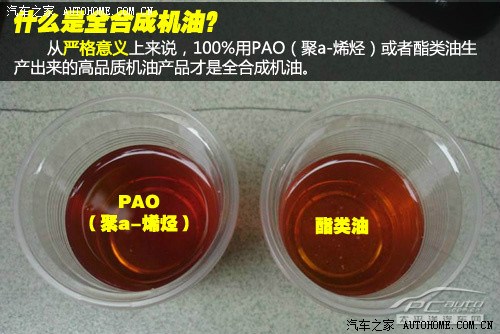 像美孚1号是100%使用PAO和酯类油合成的高品质机油产品混加,你怎么说他都是全合成,嘉实多是嘛?不知道!壳牌灰壳是嘛?不知道!灰壳是勾兑的加氢裂变油和PAO混加的!反正合成油就有两种一种就是PAO和酯类,加氢裂化油算合成油嘛?这个美孚起诉过嘉实多,结果法庭说嘉实多算!哈哈!如果算---这个合成油也太简单了吧!美孚他们的也太复杂了吧!有很多人害怕了有一大部分油标称全合成却不是!不说大品牌了,,,,,,,,,,,,,美孚美孚呵呵!竞争激烈现在也开始不实在了,据说也开始加50-60%加氢裂化油了,再说说咱们中国石油的长城机油标称都是合成油可是一款是三类基础油(加氢裂化油),一种是PAO成本PAO的合成油比加氢裂化油4升成本高至少150块钱!结果PAO的那款零售只比加氢裂化的贵50块钱!这100块钱就让消费者多支出了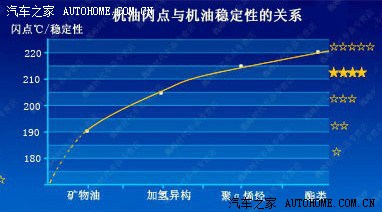
| 。 |
。

有人说日系车精细扯淡用20,30机油那是因为他的机油泵压设计和油道设计和德系区别很大很大,日系泵压力小,油道设计曲折而且直径小,黏度大的机油上不来车抖动!,3万多铃木用30机油,106多万的BMWM3用60机油你说哪个精细?MB谁要说奥拓比宝马M3精细那还是人X的嘛!真有人信一个一个傻BI还听得津津有味!缺不缺心眼儿啊!